




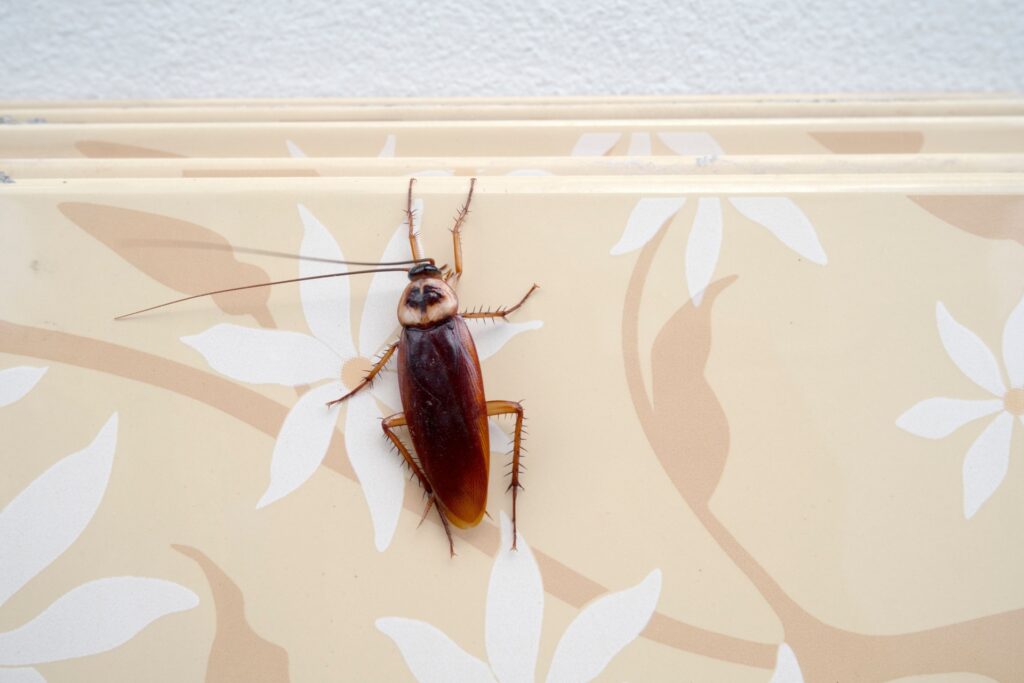
Las Vegas averages less than five inches of rainfall per year, and humidity levels stay low for most of the year. On the surface, this seems like a difficult environment for cockroaches, which are commonly associated with damp, humid conditions. But cockroaches are among the most adaptable insects on the planet, and several features of Las Vegas homes and infrastructure make the valley a surprisingly productive environment for them. Prime Pest Control treats cockroach infestations across the valley with methods designed for the specific conditions that allow roaches to thrive here.
Indoor Environments Provide Everything Roaches Need
The dry climate outside is largely irrelevant to cockroach survival because the species most common in Las Vegas—German, American, and Oriental—spend the majority of their time in environments that homeowners create and maintain. Inside a Las Vegas home, cockroaches have access to air-conditioned air that keeps temperatures stable, plumbing that provides consistent moisture, kitchens full of food residue, and dozens of tight, dark hiding spots behind appliances and inside wall voids.
German cockroaches, in particular, are entirely indoor pests. They do not need outdoor humidity or rainfall. They live their full life cycle inside the home, breeding in the warm, damp spaces behind dishwashers, beneath sinks, and inside cabinet voids. As long as there is food, water, and warmth—all of which are present in every occupied home—German cockroaches can sustain and grow their populations regardless of what the weather is doing outside.
The Sewer System Is a Massive Habitat
Las Vegas has an extensive municipal sewer system, and this underground network provides a warm, moist, food-rich habitat that American cockroaches exploit on a large scale. The sewer system connects to every home and business in the valley through floor drains, toilet connections, sink drains, and cleanout pipes. American cockroaches travel through this system freely and enter homes wherever there is an unsealed connection or a gap in the plumbing.
This is why homeowners sometimes find a large roach in a bathroom or kitchen seemingly out of nowhere—it traveled through the drain system from the sewer main. The dry climate above ground has no effect on this population because the sewer environment is consistently warm and moist year-round.
Irrigated Landscaping Creates Outdoor Pockets of Moisture
While the open desert is too dry and hot for most cockroach species, residential landscaping changes the equation. Drip irrigation systems, flood-irrigated trees, overwatered lawns, and saturated planting beds create localized pockets of moisture that Oriental cockroaches and some American cockroaches use as outdoor harborage. Irrigation valve boxes, meter boxes, planters, and the soil beneath heavy ground cover all provide the damp, shaded conditions roaches need to survive outdoors in the desert.
Properties with lush, well-watered landscaping directly against the home’s foundation are especially vulnerable because roaches nesting in these moist zones have short, easy access to the home’s interior through ground-level gaps and utility penetrations.
Year-Round Warm Temperatures Eliminate the Winter Reset
In colder climates, freezing winter temperatures kill exposed cockroach populations and slow reproduction significantly. Las Vegas does not provide this natural control. Winter lows rarely drop below the mid-30s, and daytime temperatures frequently reach the 50s and 60s even in January. Indoor temperatures remain in the 60s and 70s year-round. This means cockroach populations never experience the seasonal die-off that occurs in northern states, allowing them to reproduce continuously.
A German cockroach infestation that goes unaddressed will grow month after month, through every season, without any natural interruption.
Construction Style Provides Harborage
Most Las Vegas homes are built on concrete slab foundations with stucco or block exteriors. Expansion joints in the slab, weep holes in block walls, gaps around plumbing and electrical penetrations, and cracks that develop over time from soil settling all provide entry points. Inside, the spaces behind kitchen cabinets, inside wall voids around plumbing, beneath appliances, and between the slab and baseboards provide ideal harborage for cockroaches that prefer tight, dark, undisturbed spaces.
What It Takes to Control Roaches in This Environment
Because Las Vegas provides cockroaches with year-round warmth, constant access through the plumbing system, and irrigated outdoor habitat, effective control requires more than a single treatment. A thorough approach addresses the species present, seals entry points, treats active harborage areas with baits and targeted products, and maintains a perimeter barrier to intercept roaches approaching from outside the home. Ongoing service keeps protection consistent across all seasons. Reach out to Prime Pest Control to schedule an inspection and get a plan built for the specific cockroach pressures on your property.