


Summer temperatures in Las Vegas regularly exceed 110 degrees, and ground surface temperatures can climb even higher. Homeowners across the valley notice a clear pattern during these months—ant activity inside the home increases sharply, even in homes that were mostly ant-free during spring. The connection between extreme heat and indoor ant infestations is direct, and understanding it helps explain why summer ant problems require a different level of response. If ants are showing up in your home during the hottest months, Prime Pest Control’s ant treatment services address the seasonal pressure that drives them indoors.
Heat Changes Ant Behavior
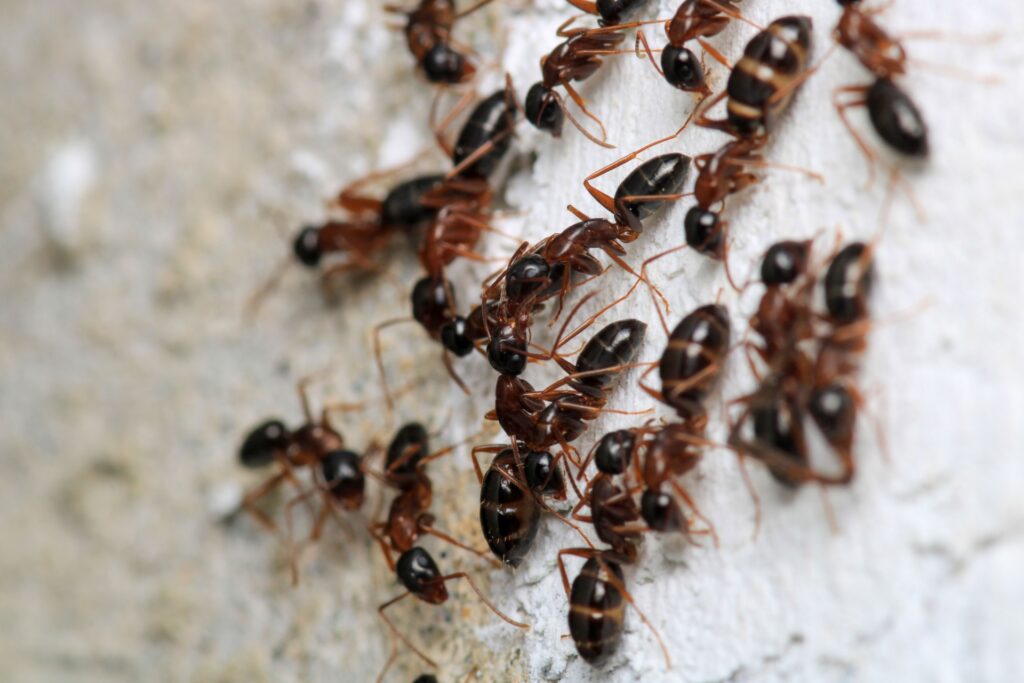
Ants are cold-blooded, which means their body temperature is regulated by their environment. In moderate conditions, they forage actively across open ground, covering large distances to locate food and water. But when surface temperatures reach extremes—and Las Vegas pavement and soil surfaces can exceed 150 degrees during peak summer—ants cannot survive extended exposure. Foraging patterns shift. Ants move their activity to shaded areas, subsurface tunnels, and protected routes along foundation edges and under landscaping features.
The interior of a home offers everything ants need during these conditions: stable temperatures, moisture from plumbing and kitchens, and concentrated food sources. A home that was not experiencing ant activity in April or May can suddenly have trails in multiple rooms by July—not because something changed inside the home, but because conditions outside became unlivable for the colony.
Moisture Becomes Even More Critical
Water availability drops during the hottest months. Natural moisture in the soil evaporates quickly, and even irrigated landscaping dries out faster between watering cycles. This increases the value of every accessible water source near and inside the home. Condensation on cold water pipes under sinks, dripping faucets, pet water bowls, refrigerator drip pans, and bathroom surfaces all become high-priority targets for foraging ants.
Homeowners who have not had ant problems in other seasons may see activity for the first time around bathrooms, laundry rooms, and under kitchen sinks – areas where moisture is consistently available regardless of what is happening with outdoor temperatures.
Colony Networks Push Toward Structures
Las Vegas ant colonies—especially Argentine ants—form interconnected networks that span multiple properties. During extreme heat, these networks shift their foraging concentration toward the areas with the most accessible resources. Residential foundations, with their shaded perimeter soil and proximity to indoor water and food, become the primary foraging zone for colonies that may be nesting 50 or 100 feet away under block walls or deep in landscaping beds.
This is part of why summer ant infestations can feel sudden and overwhelming. The colony did not just appear. It was already established nearby, and the heat redirected its activity toward your home.
What Homeowners Can Do During Peak Heat
Reducing attractants helps limit the severity of summer ant pressure. Focus on moisture first—fix drips, dry out under-sink areas, and avoid leaving standing water anywhere in the home. Store food in sealed containers, clean counters and stovetops thoroughly after every use, and take trash out frequently. Outside, check that irrigation is not pooling against the foundation or creating saturated soil directly adjacent to the home.
These steps reduce the draw, but they will not stop a determined colony during extreme heat. The foraging pressure is too high, and the colony is too large for sanitation alone to resolve the issue.
Professional Treatment Accounts for Seasonal Pressure
Effective summer ant control in Las Vegas treats the perimeter aggressively to intercept foragers before they enter the home, uses baiting to reduce colony populations at the source, and maintains protection through the entire heat season rather than relying on a single application. Prime Pest Control’s bi-monthly service model is designed with this kind of sustained seasonal pressure in mind—membership plans include scheduled treatments and between-visit callbacks if ants return.
Contact Prime Pest Control to schedule an inspection and get ahead of summer ant activity before it takes over your home.