





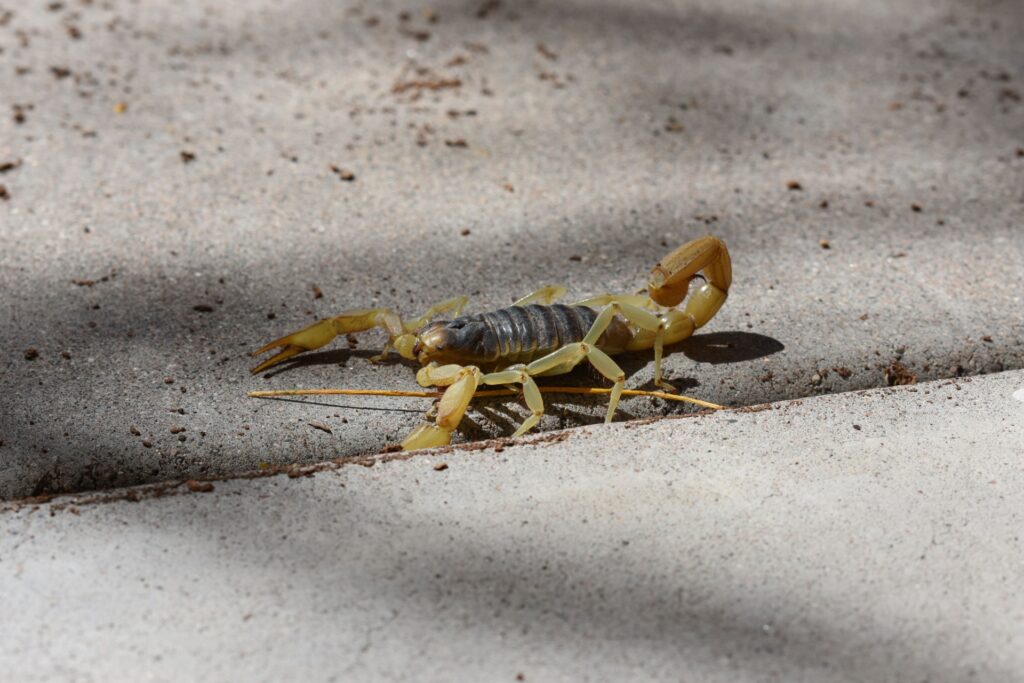
Henderson homeowners face scorpion challenges that many don’t fully appreciate until they experience encounters firsthand. The combination of desert-edge location, specific construction features common in Henderson developments, and landscape practices throughout the area creates conditions where bark scorpions thrive despite homeowner efforts to maintain pest-free properties. Understanding what makes Henderson particularly susceptible to scorpion problems helps homeowners implement realistic expectations and effective control measures. Professional scorpion control provides Henderson homeowners with specialized solutions addressing local scorpion challenges.
Henderson’s Geographic Scorpion Vulnerability
Henderson’s position on the valley’s southeastern edge places properties in close proximity to undeveloped desert areas hosting established scorpion populations. As development expands, it doesn’t eliminate scorpions—it creates new interfaces between developed properties and desert habitat.
Scorpions from adjacent undeveloped areas explore into developments seeking prey, moisture, and shelter. This creates ongoing pressure as scorpions continuously encounter residential properties during their nocturnal hunting activities.
The rocky terrain underlying much of Henderson provides natural scorpion habitat even within developed areas. Desert landscaping common throughout Henderson incorporates rocks, boulders, and decorative stone that provide scorpion harborage similar to natural desert conditions.
Washes and drainage channels threading through Henderson developments create corridors connecting desert areas to residential properties. Scorpions travel along these features, bringing them into direct contact with homes.
Block Wall Fences Concentrate Scorpion Activity
One of Henderson’s most significant scorpion factors is the prevalence of concrete block wall fences surrounding most properties. These walls—while providing privacy and defining property boundaries—create ideal scorpion habitat.
The hollow cores of concrete blocks provide protected spaces where scorpions hide during daylight hours. These voids maintain cooler temperatures than exposed surfaces and protect scorpions from predators and weather.
Gaps and cracks in block wall construction create countless entry and exit points scorpions use when moving between wall voids and surrounding areas. Imperfect construction means most block walls have numerous small openings.
The rough surfaces of concrete blocks and stucco finishes provide excellent climbing surfaces. Scorpions scale these walls easily, accessing upper portions where they may encounter building entry points.
Block walls concentrate scorpion populations because they provide extensive harborage in relatively small linear footage. A property with 200 feet of block wall fencing has hundreds of feet of hollow core spaces where scorpions shelter.
Construction Features Common in Henderson
Beyond block walls, other construction characteristics prevalent in Henderson create scorpion vulnerabilities:
Stucco exteriors have texture and small gaps that scorpions exploit for climbing and access. The material’s rough surface provides excellent grip for scorpion feet.
Tile roofs on many Henderson homes have spaces between tiles where scorpions travel and rest. These spaces remain cooler than surrounding surfaces during the daytime, attracting scorpions seeking temperature regulation.
Gaps around doors and windows develop as buildings settle and weatherstripping deteriorates. Scorpions—remarkably flat creatures—squeeze through gaps that appear too small for their passage.
Utility penetrations through exterior walls often lack complete sealing, creating pathways from outside to interior wall voids where scorpions may nest.
Foundation-to-structure transitions sometimes have gaps that scorpions exploit, particularly in areas where different materials meet or where settling has created openings.
Landscape Practices Affecting Scorpion Activity
Henderson’s desert landscaping—while water-wise and attractive—creates conditions supporting scorpion populations:
Rock mulch and decorative boulders provide cover where scorpions hide during the day. These features mimic natural desert conditions that scorpions evolved to exploit.
Desert vegetation, including native shrubs and ornamental desert plants, creates shaded microhabitats that moderate temperatures and retain slight moisture. Scorpions utilize these areas during rest periods.
Drip irrigation systems common in desert landscaping create localized moisture that attracts the insects scorpions hunt. Crickets, beetles, and other prey gather near irrigation zones, drawing scorpions to these areas.
Landscape lighting attracting nighttime insects creates hunting opportunities for scorpions. Properties with extensive outdoor lighting often experience higher scorpion activity as prey insects concentrate around lights.
Minimal ground cover in many desert landscapes means less visual barrier between observers and scorpions. While this doesn’t increase scorpion populations, it does increase encounter rates as scorpions become more visible.
Why Scorpion Encounters Increase in Warm Months
Henderson homeowners notice increased scorpion activity from late spring through early fall when warm temperatures bring peak scorpion activity. Understanding seasonal patterns helps set appropriate expectations:
Spring emergence brings scorpions out of winter sheltering as temperatures warm. Scorpions that remained hidden during cooler months become active in hunting and reproduction.
Summer represents peak activity season when scorpions are most active nightly and when reproduction occurs. This is when homeowners are also most active outdoors, increasing encounter opportunities.
Fall continues warm enough for substantial scorpion activity, though encounters may decrease somewhat as homeowners spend less time outdoors during shorter days.
Winter reduces but doesn’t eliminate scorpion activity. Henderson’s mild winters allow scorpions to remain somewhat active during warm spells, and they shelter in protected locations—including structures—during cooler periods.
The Reality About Scorpion Control in Henderson
Homeowners should understand realistic expectations for scorpion control in Henderson’s environment:
- Complete elimination from outdoor areas isn’t achievable through pest control treatments alone. Henderson’s conditions support scorpion populations, and scorpions from neighboring properties or undeveloped areas will continue entering your property regardless of treatment.
- Significant reduction is realistic with proper professional treatment. Most homeowners experience dramatic decreases in scorpion encounters with ongoing professional service—reducing encounters from weekly or daily occurrences to rare events.
- Building protection is achievable through a combination of barrier treatments, entry point sealing, and ongoing service. Keeping scorpions out of your home is more realistic than eliminating them from your entire yard.
- Ongoing service is necessary because scorpion control isn’t a one-time solution in Henderson. Continuous treatment maintains barriers and addresses new scorpions entering from surrounding areas.
Steps Henderson Homeowners Can Take
While professional treatment provides the foundation for scorpion control, homeowners can support effectiveness through:
- Reducing harborage by minimizing unnecessary decorative rocks, removing debris and clutter from yards, and maintaining organized outdoor storage rather than creating scorpion hiding spots.
- Managing outdoor lighting to reduce insect attraction can decrease prey availability for scorpions. Using yellow “bug lights” or minimizing unnecessary outdoor lighting helps.
- Sealing obvious entry points around doors, windows, and utility penetrations reduces scorpion access to buildings. While comprehensive sealing requires professional expertise, homeowners can address obvious gaps.
- Checking before reaching into areas where scorpions might hide, including shoes left outside or in garages, folded towels or clothing, boxes or storage items, and corners or crevices in outdoor areas.
- Maintaining awareness during outdoor activities after dark when scorpions are active. Using flashlights and watching where you step or place your hands reduces sting risk.
Why Professional Service Makes the Difference
Henderson’s specific scorpion challenges require expertise that general pest control doesn’t always provide. Professional scorpion service addressing Henderson’s unique factors includes:
- Understanding where scorpions are most likely to be active based on property features, block wall configuration, landscaping, and location relative to desert edges or washes.
- Using products and application methods proven effective for bark scorpions rather than generic pest treatments that may not adequately address scorpions.
- Focusing treatment on areas where scorpions actually shelter and travel—block walls, landscape features, building perimeters—rather than just spraying open surfaces.
- Providing consistent service through seasons when scorpions are active and maintaining barriers that reduce scorpion infiltration.
Henderson’s scorpion challenges are real and persistent, but they’re manageable with appropriate professional control and realistic expectations. Your home doesn’t have to be a scorpion habitat even in Henderson’s scorpion-friendly environment. Contact Prime Pest Control for scorpion control specifically designed for Henderson’s unique challenges, providing the protection local homeowners need.