





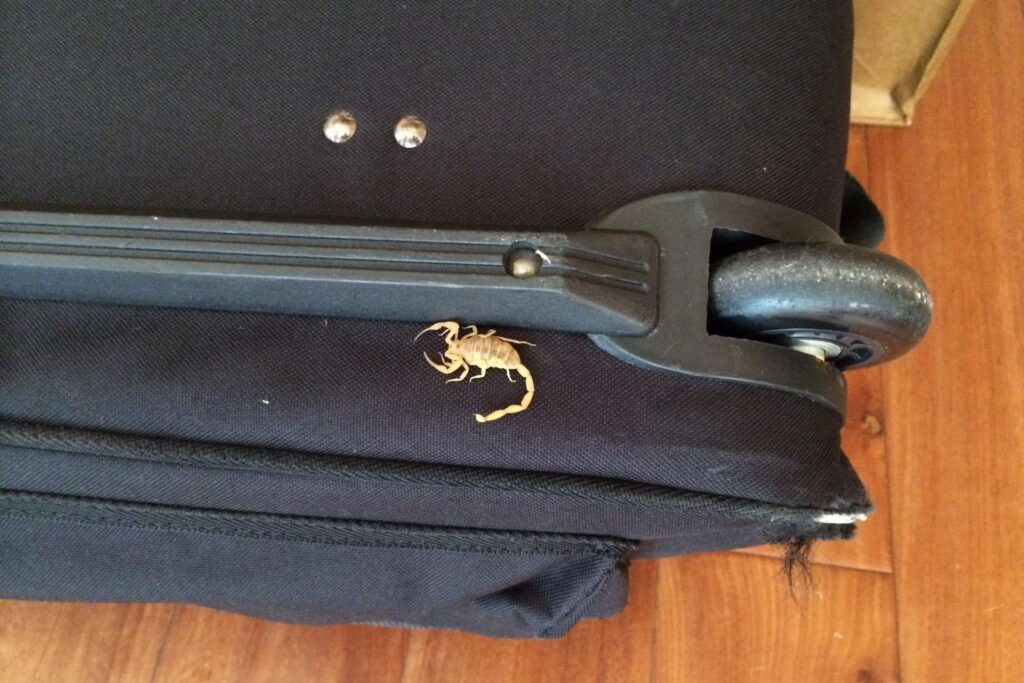
Bark scorpions are the most medically significant scorpion species in Nevada, and Las Vegas properties throughout the valley provide habitat these nocturnal predators exploit. Unlike pest problems where DIY approaches might provide temporary relief, scorpion control requires expertise understanding scorpion biology, behavior patterns, and the specific methods that actually reduce scorpion populations on properties. Prime Pest Control’s scorpion control services combine specialized knowledge with proven treatment methods that address Las Vegas’s unique scorpion challenges.
Why Scorpion Control Requires Expertise
Scorpions differ fundamentally from insects in ways that affect control strategies. They’re arachnids related to spiders, with eight legs, pincers, and segmented tails ending in venomous stingers. Their biology and behaviors make them challenging to control without specialized knowledge.
Scorpions can survive extended periods without food, going months between meals when prey is scarce. This means treatments targeting scorpions through ingestion of bait products—effective for many pests—don’t work for scorpion control.
They spend most of their time hiding in protected locations, emerging primarily at night to hunt. During daylight hours, scorpions hide under rocks, in cracks and crevices, within block wall voids, under bark or debris, and in other sheltered locations. This secretive behavior means treatments must reach scorpions in their hiding spots rather than just treating open surfaces.
Scorpions have hard exoskeletons that provide some protection against contact insecticides. Effective scorpion control requires products and application methods that overcome this natural defense.
Their reproductive patterns mean scorpion populations build gradually over time. Female bark scorpions give birth to live young that ride on their mother’s back for a period before dispersing. Understanding these patterns helps time treatments for maximum effectiveness.
The Bark Scorpion Challenge in Las Vegas
The Arizona bark scorpion—Nevada’s only medically significant scorpion species—is well-adapted to Las Vegas’s desert environment. These yellowish-tan scorpions are relatively small but pack venom that can cause significant reactions, particularly in children, elderly individuals, or people with compromised health.
Bark scorpions are excellent climbers with the ability to scale stucco walls, navigate rough surfaces, and even walk across ceilings. This climbing ability means they access homes through various pathways, including gaps around windows and doors, cracks in walls, roof entry points, and plumbing or utility penetrations.
They’re attracted to moisture and prey. Las Vegas’s artificially irrigated landscape creates conditions supporting insect populations that scorpions hunt. Crickets, beetles, and other insects around your property attract scorpions seeking food.
Block wall fences common throughout Las Vegas provide ideal scorpion habitat. The hollow cores of concrete blocks create protected spaces where scorpions hide during the day, and the rough surfaces allow easy climbing. Properties with block walls often experience higher scorpion activity than those with other fence types.
Effective Scorpion Control Methods
Professional scorpion control uses multiple approaches, addressing different aspects of scorpion presence:
- Residual barrier treatments applied to building exteriors, fence lines, and other areas where scorpions travel create zones that scorpions encounter when moving around properties. Modern products formulated for scorpion control remain effective for extended periods, providing ongoing protection between treatments. Barrier applications focus on areas where scorpions hide and travel—along foundations, around door frames and windows, fence lines (especially block walls), and landscape features near structures.
- Crack and crevice treatments deliver product directly into the gaps, cracks, and crevices where scorpions hide during daylight. These targeted applications reach scorpions in their harborage rather than relying on scorpions to contact treated surfaces.
- Black light inspections help identify scorpion activity on properties. Scorpions fluoresce under ultraviolet light, making them visible at night when they’re active. While Prime doesn’t rely solely on black light treatments—many scorpions remain hidden even at night—inspections can help identify activity levels and treatment needs.
- Habitat modification recommendations address features attracting or harboring scorpions. While Prime can’t control everything on your property, guidance might include removing debris and clutter, providing scorpion harborage, addressing excessive moisture from irrigation, sealing obvious entry points, and managing outdoor lighting that attracts prey insects.
Why Timing and Consistency Matter
Scorpion control isn’t a one-time solution. Effective programs require consistent treatment through seasons when scorpions are active.
Spring and summer bring peak scorpion activity as temperatures warm and scorpions become more active in hunting and reproduction. This period requires intensive treatment addressing active scorpions.
Fall activity continues as temperatures remain comfortable for scorpions, though activity levels may decrease somewhat from summer peaks.
Winter sees reduced scorpion activity in Las Vegas but not complete dormancy. Scorpions can remain active during winter warm spells, and they shelter in protected locations around properties. Maintaining treatment through winter provides ongoing protection.
Quarterly service schedules align with these seasonal patterns, providing intensive treatment during high-activity periods and maintaining protection year-round.
The Expertise Factor
What distinguishes expert scorpion control from basic pest service?
- Product selection matters significantly. Not all pest control products work equally well for scorpions. Professionals use formulations proven effective against arachnids, applied at appropriate concentrations.
- Application techniques determine whether products reach scorpions in harborage or just treat open surfaces. Knowing where scorpions hide and how to deliver treatment to those locations requires training and experience.
- Understanding scorpion behavior informs treatment decisions. Technicians familiar with bark scorpion habits know where to focus applications for maximum effectiveness based on property features, construction types, and seasonal patterns.
- Safety considerations include proper product handling, appropriate protective equipment, and application methods that minimize exposure to building occupants and pets while maximizing scorpion control.
What Las Vegas Customers Should Expect
Professional scorpion control typically produces a noticeable reduction in scorpion encounters within the first few treatments. However, complete elimination takes time because:
Scorpions already on your property when treatment begins must encounter treated surfaces or harborage areas. With their ability to survive extended periods without eating, this can take weeks.
Scorpions from surrounding properties may continue attempting to enter your property. Ongoing treatment creates barriers that reduce successful infiltration.
Most customers report dramatic improvement after 2-3 quarterly treatments, with continued reduction as service continues. Properties with severe scorpion pressure may require longer programs to achieve desired results.
The goal is significant reduction in scorpion activity rather than absolute zero scorpions forever—in Las Vegas’s desert environment, complete elimination from outdoor areas isn’t realistic. However, professional scorpion control can reduce activity to levels where encounters become rare rather than common.
Beyond Treatment: Prevention and Vigilance
While professional treatment provides the foundation for scorpion control, property owners can take steps to support treatment effectiveness:
- Reducing harborage by removing yard debris, stored materials, and clutter eliminates scorpion hiding spots. Managing moisture by fixing irrigation leaks and avoiding overwatering reduces conditions attracting scorpions and their prey.
- Sealing entry points, including gaps around doors and windows, cracks in foundations or walls, and openings around utilities, reduces scorpion access to buildings.
- Interior precautions like shaking out shoes and clothing before wearing them, checking bedding before sleeping, and using caution when moving stored items help prevent stings even if occasional scorpions enter structures.
Your Las Vegas property doesn’t have to be scorpion habitat. Professional scorpion control from experts who understand these challenging pests makes outdoor living comfortable and reduces concerns about scorpion encounters. Contact Prime Pest Control for scorpion control from specialists who’ve solved Las Vegas scorpion problems for thousands of properties throughout the valley.