





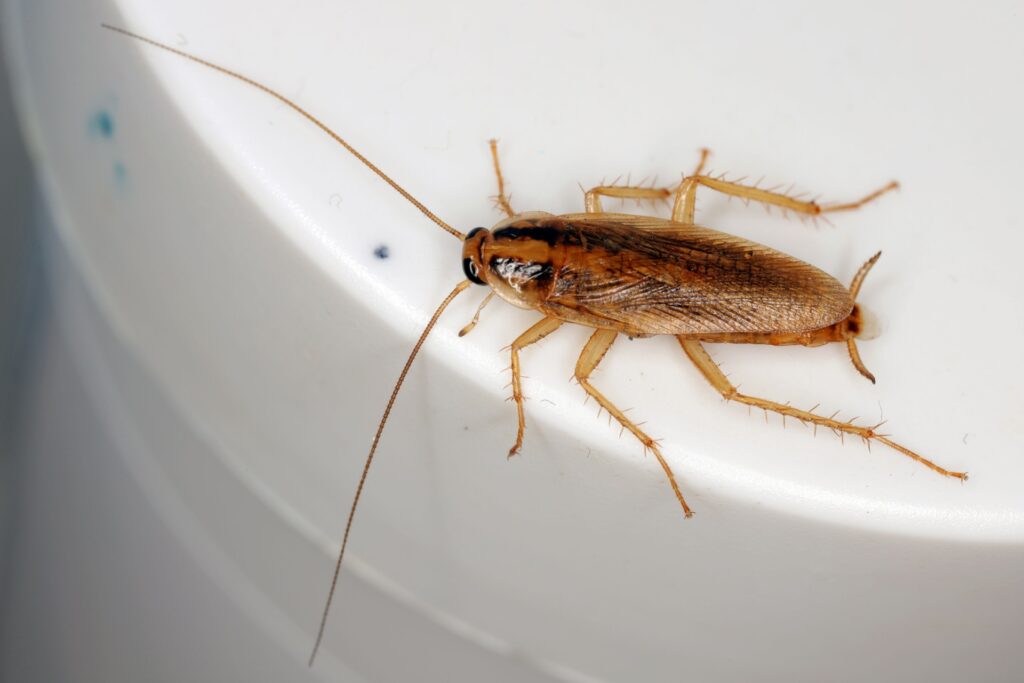
Cockroaches are masters of stealth, typically remaining hidden during daylight hours and emerging at night when homes are quiet. By the time homeowners see cockroaches during the day, infestations are usually well-established and require professional intervention. Learning to recognize early warning signs allows catching cockroach problems when they’re minor and easier to eliminate. Understanding what to look for and where to look helps Henderson homeowners detect infestations before they spread throughout homes. Professional cockroach control addresses infestations at any stage, but early detection makes elimination simpler and faster.
Why Early Detection Matters
Cockroaches reproduce rapidly, with populations exploding from a few individuals to hundreds or thousands within months. German cockroaches—the species most commonly infesting Henderson homes—can produce multiple generations annually, with females carrying egg cases containing dozens of offspring.
Small infestations confined to specific areas are relatively simple to eliminate with targeted treatment. Large, established infestations spread throughout homes require intensive, repeated treatments over several weeks.
Early detection also reduces the contamination, allergen accumulation, and potential disease transmission risks that cockroaches create. The sooner you identify and eliminate cockroach problems, the less exposure your family experiences.
Cockroach Droppings: The Most Common Early Sign
Cockroach droppings provide reliable evidence of activity, and they often appear before homeowners see actual cockroaches.
German cockroach droppings resemble black pepper or coffee grounds—tiny dark specks typically found near where cockroaches hide during the day. These droppings accumulate along baseboards, in cabinet corners, near appliances, under sinks, and in other areas where cockroaches travel or nest.
Larger cockroach species produce droppings that are more cylindrical and larger, resembling mouse droppings but with blunt ends and ridges along their length.
The quantity and freshness of droppings indicate infestation severity. A few scattered droppings suggest early infiltration or low populations. Heavy accumulation indicates established infestations with substantial cockroach numbers.
Fresh droppings appear moist and dark. Older droppings become dry and may fade somewhat. Finding fresh droppings means cockroaches are currently active in those areas.
Where to check for droppings:
Kitchen and bathroom cabinets, particularly corners and along back edges where cabinets meet walls. Under and behind appliances, including refrigerators, stoves, dishwashers, and microwaves. In pantries near food storage. Along baseboards in any room. Inside storage areas, including garages and utility rooms.
Egg Cases (Oothecae)
Female cockroaches produce egg cases called oothecae that contain multiple eggs. Finding these cases indicates cockroaches are reproducing on your property.
German cockroach oothecae are brown, pill-shaped cases roughly 8mm long. Females carry these cases until shortly before eggs hatch, then deposit them in protected locations near food and water sources.
Where egg cases appear:
Hidden in cracks and crevices near where German cockroaches congregate. Behind or under appliances. Inside cabinets in corners or along edges. Near plumbing fixtures. In garage storage areas.
Empty egg cases indicate previous hatching, meaning cockroach populations have successfully reproduced on your property. Discovering egg cases—whether full or empty—requires immediate action because they signal established breeding populations.
Live Cockroach Sightings
Actually seeing cockroaches provides definitive evidence of infestation, though the absence of sightings doesn’t mean cockroaches aren’t present.
Time of sighting matters:
Seeing cockroaches at night when they’re naturally active suggests populations that might still be relatively small. Cockroaches emerge after dark to forage when they feel safe.
Seeing cockroaches during daylight hours indicates severe infestations. Cockroaches are nocturnal and avoid light. When populations become so large that competition for hiding spaces increases, some individuals are forced out during the day. Daytime sightings suggest heavy infestations.
Location of sightings:
Kitchens and bathrooms are the most common sighting areas because cockroaches need water and food. These rooms provide both resources and numerous hiding spots.
Sightings in bedrooms, living rooms, or other areas away from kitchens suggest infestations have spread throughout homes. Cockroaches prefer to stay near food and water sources, so when they’re found in distant rooms, populations have likely grown large enough to expand territories.
Where Henderson Homes Are Most Vulnerable
Certain areas and conditions in Henderson homes create elevated cockroach risk:
- Kitchens provide food, water, moisture, and warmth that cockroaches need. Pay particular attention to areas under sinks, behind appliances, inside cabinets, and around plumbing fixtures.
- Bathrooms offer water and moisture plus hiding spots in cabinets, behind toilets, and under sinks. German cockroaches particularly favor bathrooms because they require regular water access.
- Garages that connect to homes can harbor cockroaches in stored items, cardboard boxes, and clutter. Cockroaches established in garages often work their way into living spaces through connecting doors or wall voids.
- Laundry rooms with their moisture, warmth, and often-cluttered storage create favorable cockroach conditions.
- Multi-family units face higher cockroach risk because infestations spread between units through shared walls, plumbing, and electrical chases. Even excellent sanitation doesn’t prevent cockroaches from migrating from neighboring infested units.
What to Do When You Find Evidence
Discovering cockroach signs requires immediate action:
- Document what you’ve found—where, how much evidence, and what type. This information helps professional pest control assess infestation severity.
- Avoid DIY treatments that might scatter cockroaches or make professional elimination harder. Many consumer products repel cockroaches without killing them, causing populations to spread throughout homes rather than staying concentrated where professional treatments can address them.
- Contact professional cockroach control immediately. Early intervention while populations are small makes elimination faster and simpler than treating severe infestations after populations have exploded.
Improve sanitation to reduce food and water sources. While better sanitation doesn’t eliminate cockroaches once established, it supports professional treatment effectiveness.
Prevention for the Future
After eliminating cockroach infestations, prevent recurrence through ongoing vigilance, proper food storage in sealed containers, prompt cleanup of spills and crumbs, fixing plumbing leaks that provide cockroach water sources, reducing clutter that provides hiding spots, and sealing cracks and gaps where cockroaches enter or hide.
Don’t wait until you see cockroaches scurrying across counters to address problems. Early detection through recognizing subtle signs allows intervention before infestations become severe. Contact Prime Pest Control at the first sign of cockroach activity for professional inspection and treatment that eliminates infestations before they spread throughout your Henderson home.