




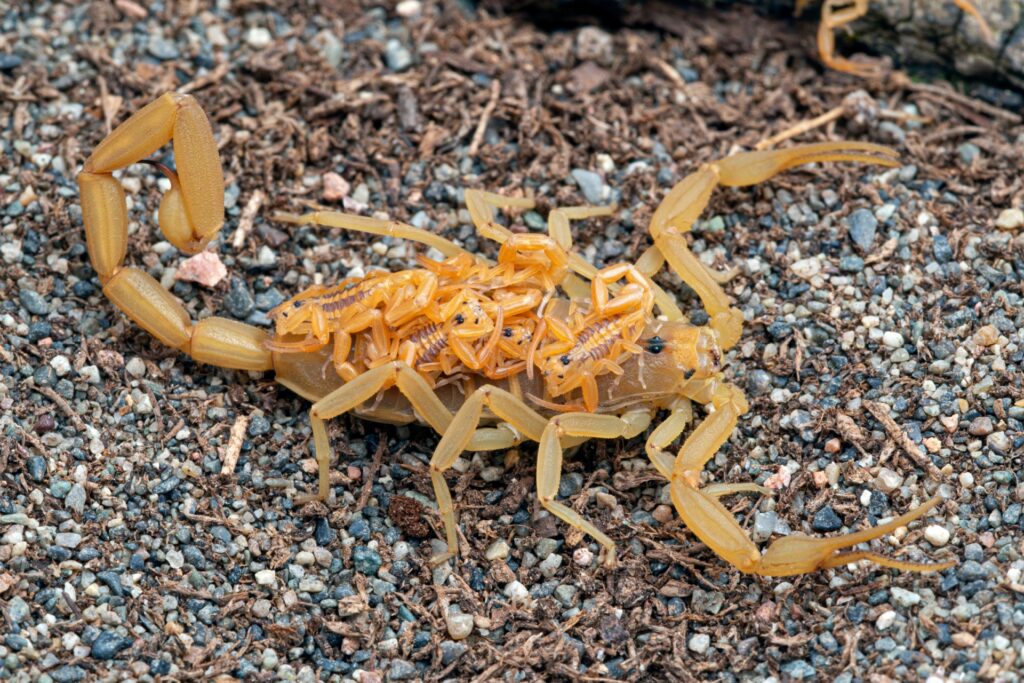
One of the most common questions Las Vegas homeowners ask is when scorpion season starts—and when it ends. The answer is more complicated than most people expect, because in the Las Vegas valley, scorpion activity never fully stops. If you are trying to figure out the best time to start scorpion control for your home, understanding the seasonal patterns of scorpion behavior will help you make the right decision.
Scorpion Season in Las Vegas: The Short Answer
Peak scorpion season in Las Vegas runs from approximately April through October, with the highest activity levels occurring during the hottest months—June, July, August, and September. This is when temperatures are consistently above 90 degrees during the day and remain warm overnight, which drives scorpions out of their daytime hiding spots to hunt for prey.
However, calling it a “season” is somewhat misleading. Scorpions do not disappear in the winter the way mosquitoes do in colder climates. They slow down—but they do not stop. During the cooler months from November through March, bark scorpions enter a state of reduced activity, often congregating in sheltered areas such as block wall voids, attic spaces, garages, and wall cavities inside homes. Homeowners who find scorpions inside the house during winter are typically encountering scorpions that have already taken up residence in the structure to escape the cold.
Monthly Breakdown of Scorpion Activity
- January through March: Activity is at its lowest, but scorpions that have moved into homes for warmth may still appear indoors. This is one of the best times to start a professional prevention program, as treatments applied before peak season build a barrier in advance.
- April and May: As temperatures rise, scorpion activity begins to increase noticeably. Bark scorpions emerge from their winter harborage and begin foraging more actively. This is when many homeowners see the first scorpions of the year inside or around the home.
- June through September: Peak season. Scorpions are most active during these months, particularly at night. The combination of extreme heat, warm overnight temperatures, and abundant insect prey drives the highest encounter rates. This is also when bark scorpions are most likely to enter homes seeking moisture and cooler conditions.
- October and November: Activity begins to taper as temperatures cool, but scorpions remain active on warm evenings. This is also when scorpions begin seeking winter shelter, which means they may be entering homes and wall voids to prepare for the cooler months.
- December: Activity is minimal outdoors, but indoor encounters can still occur in homes where scorpions have established harborage inside walls, attics, or garages.
Why Year-Round Treatment Matters
One of the most common mistakes Las Vegas homeowners make is treating for scorpions only during the summer months. While that approach addresses the peak activity period, it leaves the home unprotected during the months when scorpions are entering structures to establish winter harborage. A scorpion that gets inside your walls in October is going to be much harder to deal with in January than one that was stopped at the perimeter before it ever got in.
Year-round treatment maintains a consistent chemical barrier around the home, reduces the insect prey population that attracts scorpions in every season, and treats the harborage areas where scorpions shelter during their less active periods. Starting treatment before peak season—ideally in late winter or early spring—gives the barrier time to establish before scorpion activity ramps up.
What Drives Scorpion Activity Beyond Temperature
While temperature is the primary driver of seasonal scorpion patterns, other factors influence activity levels throughout the year:
- Monsoon moisture: The Las Vegas monsoon season in July and August brings humidity and occasional rain, which increases insect activity. More insects means more prey for scorpions, which elevates scorpion activity in and around homes.
- New construction: Ongoing development in Las Vegas, Henderson, and Summerlin disturbs scorpion habitat and pushes populations into adjacent residential areas. Homeowners near active construction sites often see spikes in scorpion encounters regardless of the time of year.
- Irrigation and landscaping: Homes with irrigated landscaping, pools, or water features attract insects year-round, which sustains scorpion activity even during cooler months.
How Prime Pest Control Handles Scorpion Season
Prime Pest Control designs its scorpion control programs for year-round protection, not just summer coverage. The company’s Triple D-Fence system creates a persistent barrier around the home, targets nesting and harborage areas in every season, and treats the wall voids and hidden spaces where scorpions shelter during their less active months.
As a locally owned company based in Henderson, Prime understands the specific seasonal patterns that affect scorpion activity across the Las Vegas Valley. The team adjusts treatment intensity and focus based on the time of year, ensuring that protection remains effective whether it is the peak of summer or the middle of winter.
With a Pest Free or Money Back Guarantee, a 99% customer satisfaction rate, and over 100,000 services performed, Prime has the experience and commitment to keep your home protected in every season.
If you want to get ahead of scorpion season—or catch up if it has already started—contact Prime Pest Control to schedule a free quote and put a year-round scorpion control plan in place.